Account verification and KYC
Kingmaker Registration and KYC: Verification Documents, Timing and Withdrawals
 Available in AU
Kingmaker may require KYC checks and supporting documents before or during account transactions. Its AU terms list certified identification, proof of residence, proof that a payment method belongs to the account holder, and payment transaction histories among the information that may be requested. Once the requested information has been provided in full, the terms say verification is usually completed within 10 days, although additional checks can take longer. The 10-day period is therefore a usual timeframe rather than a guaranteed deadline.
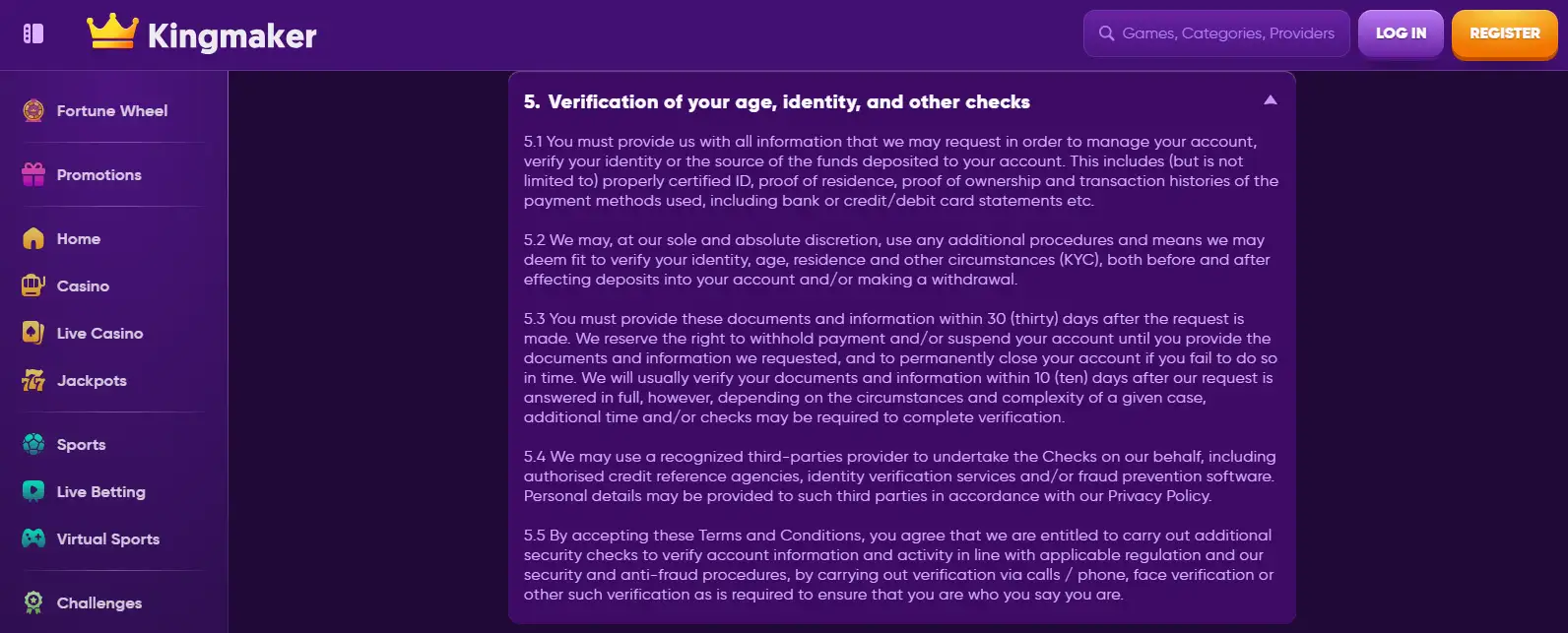
Table of Contents
- How KYC fits into the account process
- What Kingmaker may ask you to provide
- When the KYC timeframe starts
- How KYC can affect withdrawal timing
- Payment-method ownership is a separate verification issue
- Additional checks can extend the usual verification period
- KYC does not replace bonus or transaction conditions
- KYC controls do not amount to Australian regulatory approval
- What to prepare for a KYC request
- How to understand a KYC request
- What KYC can mean for an Australian withdrawal
How KYC fits into the account process
For Australian users, the important part of registration is what may happen after the account is opened. Kingmaker may ask an account holder to confirm identity, residence, or payment details, and an unresolved verification request can affect later transactions. Understanding those checks is more useful than treating registration as a simple one-step form.
Kingmaker restricts gambling to people aged 18 or over. Beyond that age requirement, the main account checks concern identity, residence, and ownership of the payment method being used. These checks can take place before or during account transactions, so verification is not necessarily a one-off step that always happens at the same point for every user.
The broader Kingmaker review covers the service as a whole, while this section focuses on the documents Kingmaker may request and how verification can affect account activity.
What Kingmaker may ask you to provide
Kingmaker’s KYC terms allow the operator to request information needed to manage an account and verify the account holder. The listed evidence can include identity and residence documents, proof that a payment method belongs to the user, and payment transaction histories. The terms also give several examples of the types of documents that may be requested.
| Evidence category named in the terms | What it can establish | What the terms do not standardise |
|---|---|---|
| Properly certified identification | Identity and age | One universal ID type that every customer must use |
| Proof of residence | Residential details | A single mandatory proof-of-address document for every case |
| Proof of payment-method ownership | Whether the funding or withdrawal method belongs to the account holder | One evidence format for every card, bank or wallet method |
| Payment transaction histories, including bank or card statements where requested | Payment activity and source-of-funds review | A fixed statement period that applies to every customer |
These are possible evidence categories, not a fixed checklist that every player must complete in full. Kingmaker may also request additional information or carry out further procedures when it considers them necessary for identity, age, residence, fraud-prevention, or related checks.
When the KYC timeframe starts
The current terms give customers 30 days after a request to provide the documents and information Kingmaker has asked for. They also say the operator will usually verify the material within 10 days after the request has been answered in full.
These two periods cover different stages of the process. The 30-day period is the time allowed for the customer to respond, while the 10-day period is Kingmaker’s usual verification timeframe after the requested information has been provided in full. The terms also allow extra time or further checks when a case is more complex, so the 10-day wording should not be treated as a fixed guarantee.
How KYC can affect withdrawal timing
Kingmaker’s withdrawal terms state that its financial department processes withdrawal requests within three business days once the relevant conditions and checks are complete. If a KYC review is still open, that processing timeframe does not replace or shorten the verification process.
If identity, residence, or payment evidence is still being checked, the three-business-day withdrawal period should not be treated as a promise that funds will arrive within that time. The withdrawal rules explain this as an internal processing window that applies once the required conditions and checks have been completed.
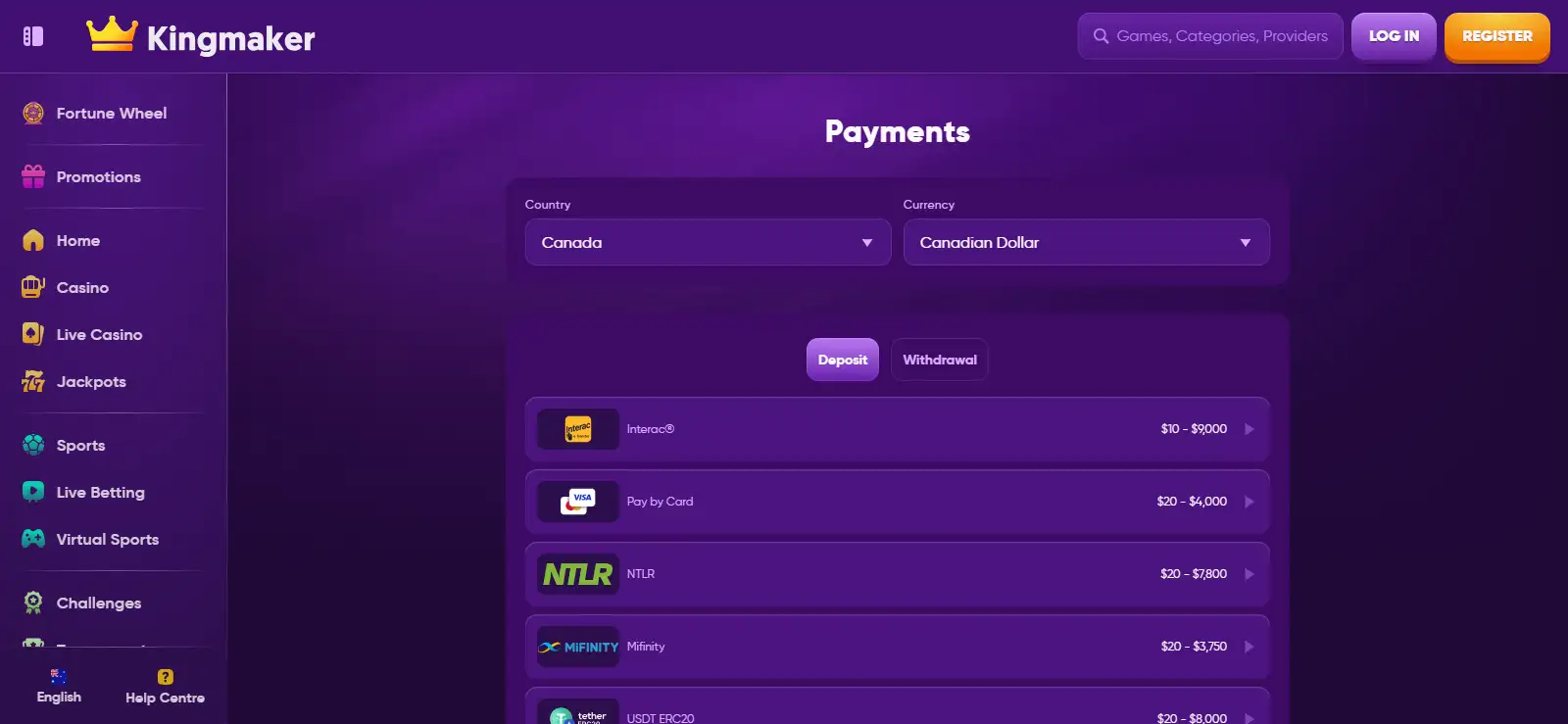
The payment methods guide covers the broader payment options separately. A method being available for deposits does not mean every withdrawal through that method will follow the same KYC process, limits, or external settlement time.
Payment-method ownership is a separate verification issue
The terms treat proof of payment-method ownership as a separate form of evidence alongside identity and residence checks. This can matter when the name or other details on a card, bank account, or payment instrument need to match the information held on the Kingmaker account.
The terms do not set one universal proof format for every payment method. The documents required can therefore vary depending on the method being reviewed and on what Kingmaker asks for in the individual case. A fixed checklist would not accurately reflect how the terms describe the process.
It is important to separate proof of identity from proof of payment ownership. The two checks may overlap in some cases, but they are not the same requirement and can involve different documents or account details.
Additional checks can extend the usual verification period
The terms allow additional time or further checks when a case requires them. This means the usual 10-day verification period is not a hard deadline that applies to every account in every situation.
The terms do not specify which additional checks will apply to a particular customer. Any further request should therefore be treated as specific to that account, with the verification timeframe linked to the point at which the requested information has been provided in full.
If a verification issue develops into a dispute, individual complaints should be considered on their own facts. The complaint evidence page covers those cases separately, since one customer’s experience does not establish a general KYC rule for everyone.
KYC does not replace bonus or transaction conditions
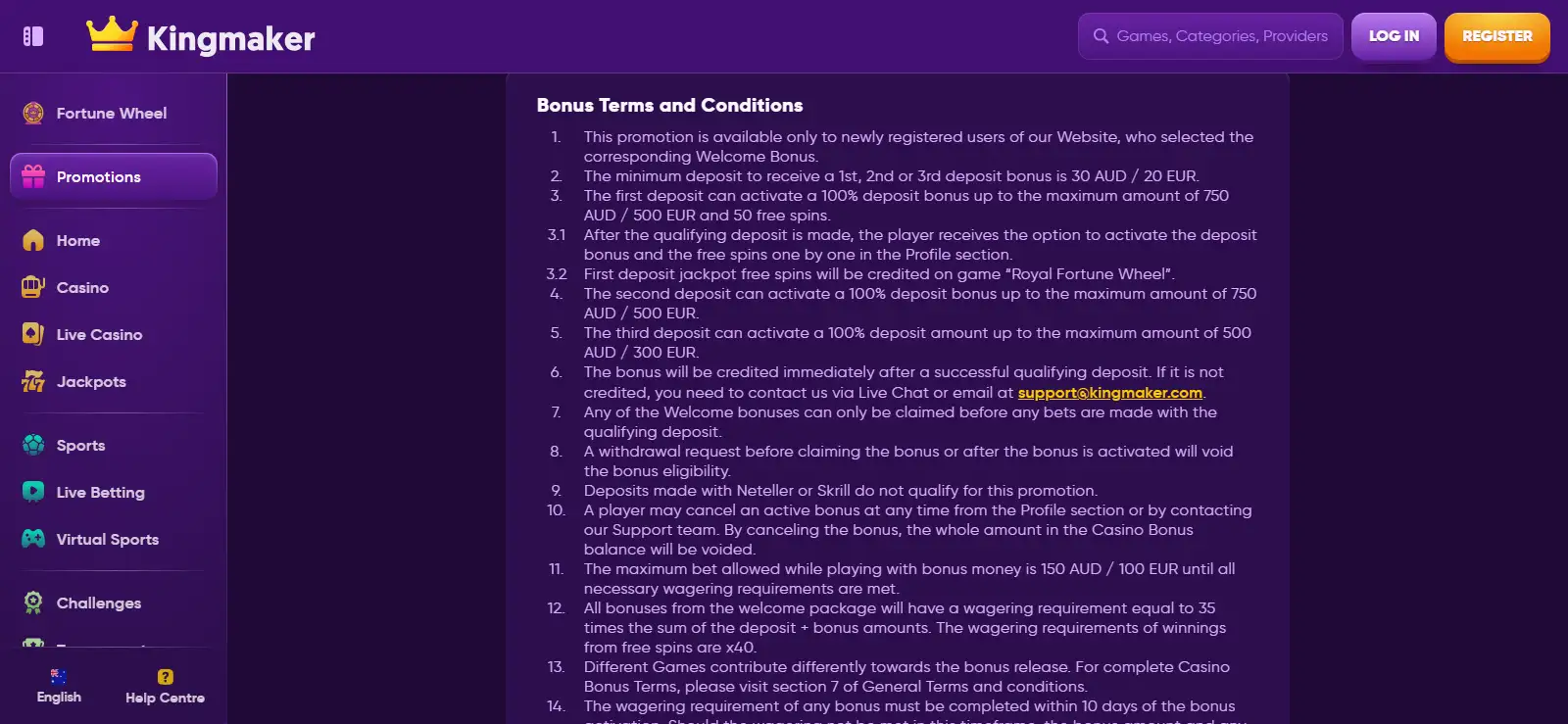
Completing identity checks is not the same as satisfying every other account rule. A withdrawal can still be affected by turnover provisions, pending-request limits or promotion-specific conditions even after KYC is complete.
For example, promotional wagering requirements belong to the relevant bonus terms, not to identity verification. Separating these issues makes it easier to understand whether a transaction is being affected by an unresolved KYC check, a payment rule, or a bonus condition.
KYC controls do not amount to Australian regulatory approval
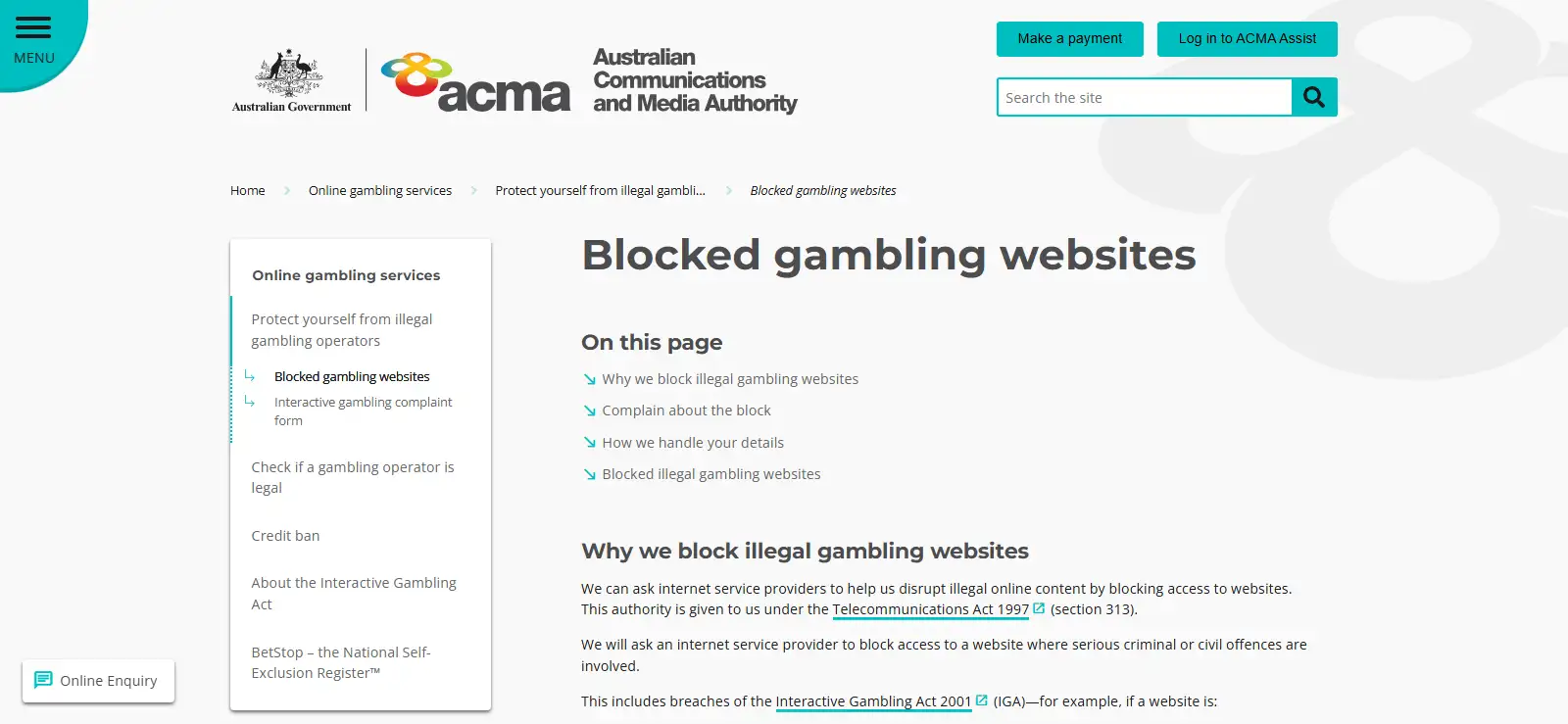
An operator can require identity and payment checks without holding an Australian gambling licence. Those are separate questions. Kingmaker’s KYC clauses explain its account controls; they do not establish Australian authorisation or ACMA-backed player protection.
For information about jurisdiction and licensing, see the guide to ACMA and licensing. Regulatory status should be assessed separately from KYC procedures, responsible-gambling language, or security checks shown on an operator’s website.
What to prepare for a KYC request
There are a few practical points to keep in mind when responding to a KYC request. The requested information should be provided in full within the stated response period, names and account details should be consistent, and any proof of payment-method ownership should relate to the method that is actually being reviewed.
Providing a document does not guarantee immediate approval. Kingmaker may ask for more information if the first response does not resolve the verification issue, so the relevant requirements are the ones stated in the request and in Kingmaker’s terms rather than a generic checklist used by another casino.
How to understand a KYC request
A verification request means the operator needs more information before it can complete a particular account check. On its own, it does not show that the customer has done anything wrong, that a withdrawal will be refused, or that the account will remain under review for the maximum period allowed by the terms.
The main questions are straightforward: what type of evidence has been requested, whether the request has been answered in full, and whether Kingmaker has asked for anything else. Keeping a copy of the request and the response can also make a later support or complaint record easier to follow by clearly separating what the operator asked for, what the customer supplied, and what happened afterwards.
What KYC can mean for an Australian withdrawal
For Australian users, Kingmaker’s KYC process can affect when a withdrawal is completed. The terms list certified identification, proof of residence, proof of payment ownership, and transaction histories as possible evidence, allow 30 days to answer a request, and describe verification as usually taking up to 10 days after a complete response while allowing longer in more complex cases. The separate three-business-day withdrawal-processing period applies once the required conditions and checks are complete. These are Kingmaker’s account terms rather than Australian licensing protections, so verification requirements and regulatory status should be considered separately.
Prepared by the Kingmaker Casino editorial staff.